Nearly 1 in 4 new nurses leave within a year. The reasons are deeper than pay.

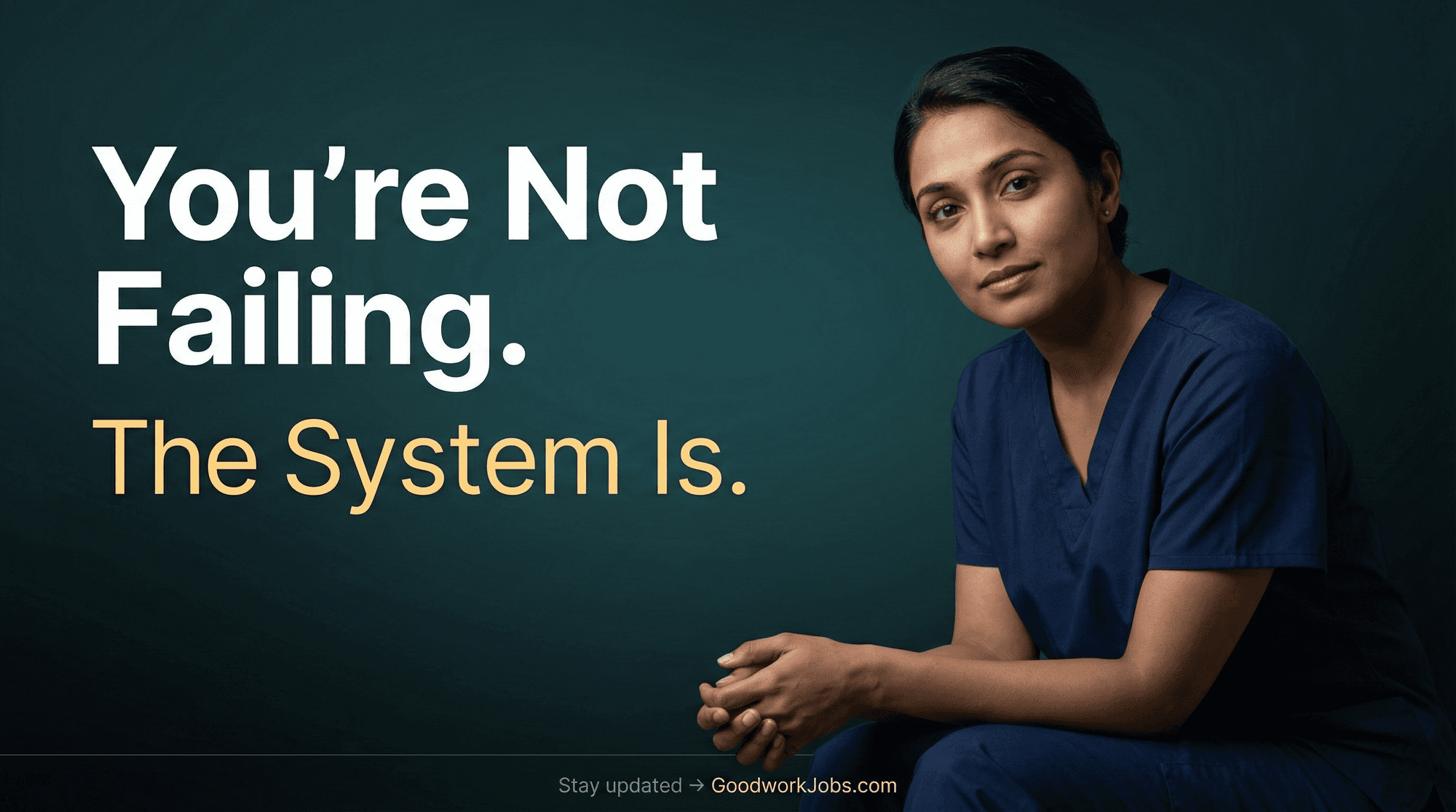
Nearly 1 in 4 new nurses won't last. And money isn't the main reason.
The American Hospital Association's 2026 Health Care Workforce Scan confirms what many healthcare workers already feel: the first year is a survival test.
First-year RN turnover now sits at 22.3%, well above the national average of 16.4%.
For all first-year hospital employees, the number climbs even higher to 29.9%. That means nearly one in three new hires across clinical and support roles don't make it past their first twelve months.
Why People Actually Leave
The assumption has always been that pay drives turnover. Offer a bigger signing bonus. Bump the hourly rate. Problem solved.
The data tells a different story.
According to the AHA report, emotional stress is the number one reason nurses leave their jobs. This holds true regardless of how long someone has been in the field. High physical demands and insufficient staffing increase turnover risk by 68%.
The 2025 Health Care Workforce Retention Study found something equally important. Meaningful work and strong peer relationships are top reasons clinical staff stay. For many front-line workers, these factors rank above pay.
In other words, people don't leave because the job is hard. They leave because they feel unsupported, unheard, and alone.
The Cost of Getting It Wrong
When a nurse leaves, hospitals pay the price. Literally.
The average cost to replace a single bedside nurse now exceeds $61,000, according to NSI Nursing Solutions. Some estimates put it as high as $72,700 depending on the role and location.
At the organizational level, hospitals spend between $3.9 million and $5.7 million annually on nurse turnover alone. That money goes toward recruiting, hiring, onboarding, and training replacements. It doesn't account for the burden placed on remaining staff or the impact on patient care.
For context, that's money that could fund mentorship programs, improve staffing ratios, or support the well-being initiatives that actually help people stay.
What Actually Works
The AHA report highlights several strategies that are making a difference. They share a common thread: they treat healthcare workers as people, not just positions to fill.
Belonging matters more than you think.
Researchers define belonging as the sense of being a welcomed member and part of a team. It's not a soft concept. It's a measurable condition that determines whether someone stays or goes.
When organizations prioritize belonging, they create environments where staff can thrive. The report notes that caregivers are more likely to remain when they feel supported by colleagues, respected at work, and connected to a shared sense of purpose.
Mentorship changes outcomes.
Mentorship programs give new clinicians relationship-building opportunities across generations. They help people develop confidence in complex care environments while creating peer connections that combat isolation.
El Camino Health boosted nurse retention among younger generations by offering career advancement opportunities, including a one-year nurse residency program.
These programs don't just teach clinical skills. They signal that the organization is invested in someone's future.
The Kansas and Missouri Hospital Associations' Preceptor Academy has trained front-line staff for more than 20 years. Nurses, pharmacists, respiratory therapists, and certified nursing assistants learn how to mentor new hires, communicate across generations, and create welcoming cultures.
With recent federal funding, the program is now reaching more critical access hospitals that previously lacked this kind of support.
Shared governance reduces turnover.
Shared professional governance gives employees platforms to voice perspectives and influence decisions that affect their work. It's not just about feeling included. It produces measurable results.
One study cited in the AHA report found that a systemwide shared governance council reduced new nurse turnover from 32.1% to 27.3%. That single initiative saved the organization approximately $2 million in recruitment, hiring, and training costs.
Nursing organizations report that clinicians who participate in shared governance are less likely to experience burnout and more likely to stay with their employers.
Recognition needs to match the audience.
Baby boomers tend to value formal recognition like titles and awards. Younger nurses prefer regular check-ins and clear feedback about how to grow.
The 2025 AONL Nursing Leadership Insight Study found that the most helpful morale boosters included giving staff the ability to take a day off when needed, offering flexible scheduling, and providing professional development opportunities. These aren't expensive interventions. They require listening and follow-through.
The Generational Dimension
Gen Z healthcare workers show the highest turnover rate at 38%. Younger employees cite inflexible schedules and limited growth opportunities as key reasons for leaving.
Millennial nurses reported the highest levels of burnout and the lowest sense of meaning in their work during the pandemic. Support programs are especially important for this group.
Organizations are responding by offering self-scheduling, training preceptors to recognize generational differences in learning styles, and investing early in leadership development. Some host coffee hours where new graduates share feedback. Others organize team-building events or pair early-career staff with mentors.
More than 80% of hospitals now include community college or vocational partnerships in their strategic plans. These pipelines matter, but they mean little if new hires leave within a year.
What This Means for You
If you're a new healthcare worker feeling overwhelmed, you're not imagining it. The systems around you were often designed without your experience in mind.
If you're considering leaving, know that emotional stress and lack of support are the most common reasons people make that choice. You're not failing. The environment may be failing you.
And if you're looking for your next opportunity, pay attention to how organizations talk about culture, mentorship, and development. Ask about preceptor training. Ask about shared governance. Ask what they do when someone struggles in their first year.
The right environment won't just help you survive. It will help you build a career.
Healthcare workers, what would have made your first year better?
See what a career platform built for healthcare workers actually looks like: Goodworkjobs.com
Sources
- 2026 Health Care Workforce Scan, American Hospital Association
- 2025 National Health Care Retention & RN Staffing Report, NSI Nursing Solutions
- The Science of Staying: 2025 Health Care Workforce Retention Study, Lotis Blue
- 2025 AONL Nursing Leadership Insight Study, American Organization for Nursing Leadership